

Looking to explore Kenya beyond the traditional safari? This is your one-stop source for hiking in Kenya – the land of soaring volcanic rock formations, verdant forests, and sculpted valleys.
Whether through a nature trail that is easy for first-timers or rough mountain trails that test the physical endurance of a hiker, hiking in Kenya is an adventure that can match wildlife exploration.
Why Choose Kenya for Your Hiking Adventure?
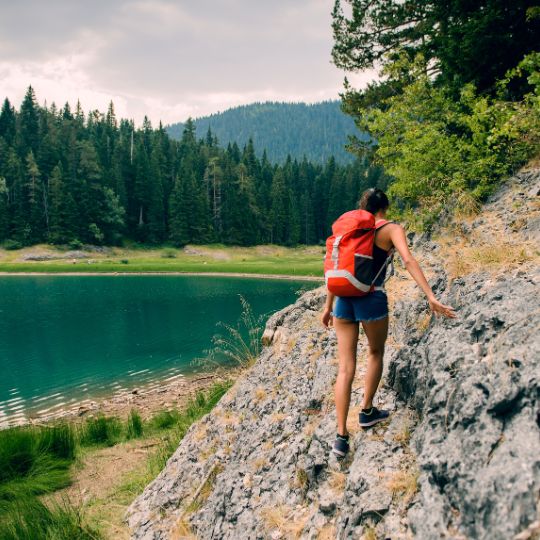
Kenya is world-famous for its wildlife safaris, but what many travelers still overlook is its remarkable hiking and trekking potential. From lush coastal forests and rolling highlands to dramatic volcanic peaks and equatorial glaciers, Kenya offers an incredibly diverse landscape for hikers.
Thanks to its varied geography and mild year-round climate, hiking in Kenya is possible across multiple altitudes and seasons. You can explore misty mountain forests, open moorlands, alpine zones, and even snow-capped summits—all within the same country.
Whether you’re an experienced trekker seeking multi-day climbs or a leisure traveler looking for scenic nature walks, Kenya caters to all skill levels. Well-established trails, guided hiking options, and community-run conservancies make the experience both accessible and rewarding.
Below are some of the best hiking trails in Kenya for modern travelers looking to experience the country beyond the safari circuit
Mount Kenya: Africa’s Second-Highest Peak
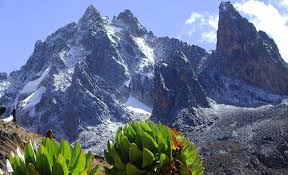
Rising to 5,199 meters, Mount Kenya offers one of the most challenging and rewarding hikes in East Africa. While Mount Kilimanjaro is taller, Mount Kenya provides a less crowded and more technical trekking experience, ideal for hikers seeking adventure beyond the mainstream routes.
Trekkers pass through diverse landscapes, from forested slopes and alpine moorlands to dramatic glacial terrain near the summit.
The mountain has three main routes:
-
Sirimon Route – Gradual ascent with scenic views, ideal for acclimatization
-
Chogoria Route – The most scenic, featuring waterfalls, gorges, and wildlife
-
Naro Moru Route – The shortest but steepest option, best for experienced hikers
Best season: July to early October
Duration: 4–6 days
Difficulty: Strenuous
Hell’s Gate National Park: A Geological Wonder
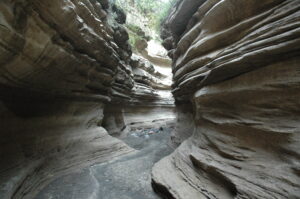
Hell’s Gate National Park is a top destination for hiking and rock climbing, known for its dramatic landscapes shaped by ancient volcanic activity. The park’s Ol Njorowa Gorge offers an exciting day hike through narrow canyons, geothermal features, and striking rock formations.
Hikers can enjoy:
-
Up to 24 km of trail options
-
Natural hot springs and steam vents
-
Impressive cliffs and volcanic rock formations
-
Frequent wildlife sightings, including antelope and baboons
Difficulty: Moderate
Duration: 4–8 hours
Mount Longonot: The Perfect Day Hike

Mount Longonot is one of Kenya’s most accessible and rewarding day hikes, located just about 90 minutes from Nairobi. This dormant volcanic crater offers a challenging yet achievable trek with sweeping views throughout the climb.
Hikers are treated to:
-
Stunning crater rim panoramas
-
Wide-open views of the Great Rift Valley
-
A 13.5 km round-trip trail
-
Approximately 900 meters of elevation gain
Difficulty: Moderate to challenging
Duration: 4–6 hours
Some crucial guidelines to consider while hiking in Kenya

Best Time to Go
Kenya offers excellent hiking conditions for most of the year, but timing is key for safety and comfort:
-
June to October – The main dry season, offering stable weather and ideal trail conditions
-
December to March – A short dry season with warm temperatures and minimal rainfall, making it a great alternative
-
April to May – Best avoided, as long rains can make trails muddy, slippery, and unsafe
What to Pack
Proper preparation is essential when hiking in Kenya. Key items include:
Clothing
-
Moisture-wicking layers
-
Lightweight rain jacket
-
Sun hat and sunglasses
-
Sturdy, well-broken-in hiking boots
Equipment
-
Food and water (note: plastic bottles are restricted in some parks)
-
Basic first-aid kit
-
Navigation tools (GPS or map)
-
Headlamp or flashlight
Documents
-
Required park permits
-
Valid identification
Safety Considerations
-
Safety is essential when hiking in Kenya, especially in remote or high-altitude areas:
-
Hire a local guide – Local expertise greatly enhances safety, navigation, and overall trail experience
-
Altitude awareness – Allow adequate time for acclimatization on high-altitude hikes to reduce the risk of altitude sickness
-
Wildlife precautions – Stay alert and always follow your guide’s instructions when encountering wildlife
-
Weather readiness – Mountain and park conditions can change quickly, so be prepared for sudden weather shifts
-
Planning Your Hiking Trip

Permits and Fees
Many of Kenya’s top hiking routes are located within national parks and protected areas, meaning permits are required:
-
Park fees vary depending on the national park or reserve
-
Permits should be secured in advance, especially during peak seasons
-
Cash payments are rarely accepted—credit or debit cards are typically required
-
Some hikes require licensed guides, whose fees are charged separately from park entry fees
Transportation
Access to hiking trails depends on location:
-
Popular hikes like Mount Longonot are easily reached by private car or guided tour
-
Remote or rugged trails may require a 4×4 vehicle
-
Nairobi serves as the main starting point for many hikes, including most Mount Kenya routes
Accommodation Options
Camping
-
Available in most national parks
-
Basic facilities provided
-
Equipment rental is often available
Lodges and Hotels
-
Options range from budget to luxury
-
Located near major hiking destinations
-
Advance booking is recommended, especially during peak travel periods
The Impact of Hiking in Kenya
Responsible hiking plays a key role in supporting:
-
Local community employment
-
Conservation and wildlife protection
-
Cultural preservation
-
Low-impact tourism that benefits both visitors and host communities
Final Tips for a Successful Hike
-
Start hikes early in the morning to avoid extreme afternoon heat
-
Respect local cultures, park regulations, and maintain a safe distance from wildlife
-
Book through reputable tour operators and guides
-
Stay flexible, as weather and trail conditions can change
Conclusion
Hiking and trekking are among the most rewarding ways to explore Kenya’s diverse landscapes. From demanding mountain climbs to peaceful forest walks, the country offers trails suited to every level of adventurer. With proper planning and local guidance, it’s easy to see why hiking is becoming an increasingly popular experience in Kenya.
Every trail—from Mount Kenya’s alpine paths to Hell’s Gate’s volcanic gorges—tells a story of Kenya’s remarkable natural heritage. Start planning your hiking adventure today and discover a side of Kenya that goes far beyond the traditional safari